
Table of Contents
Drones green transition applications are revolutionizing how Europe approaches environmental sustainability. From monitoring wildlife habitats to optimizing renewable energy installations, drones green transition technology is at the heart of the continents push toward a greener future.
A Continent in Transition
Europe stands at a pivotal moment in its environmental and technological evolution. The European Green Deal, REPowerEU, and the Digital Decade strategy all point toward a future where sustainability and innovation are inseparable. Within this context, unmanned aerial vehicles — commonly known as drones — are emerging as powerful tools for accelerating the green transition across multiple sectors.
Precision Agriculture and Food Security
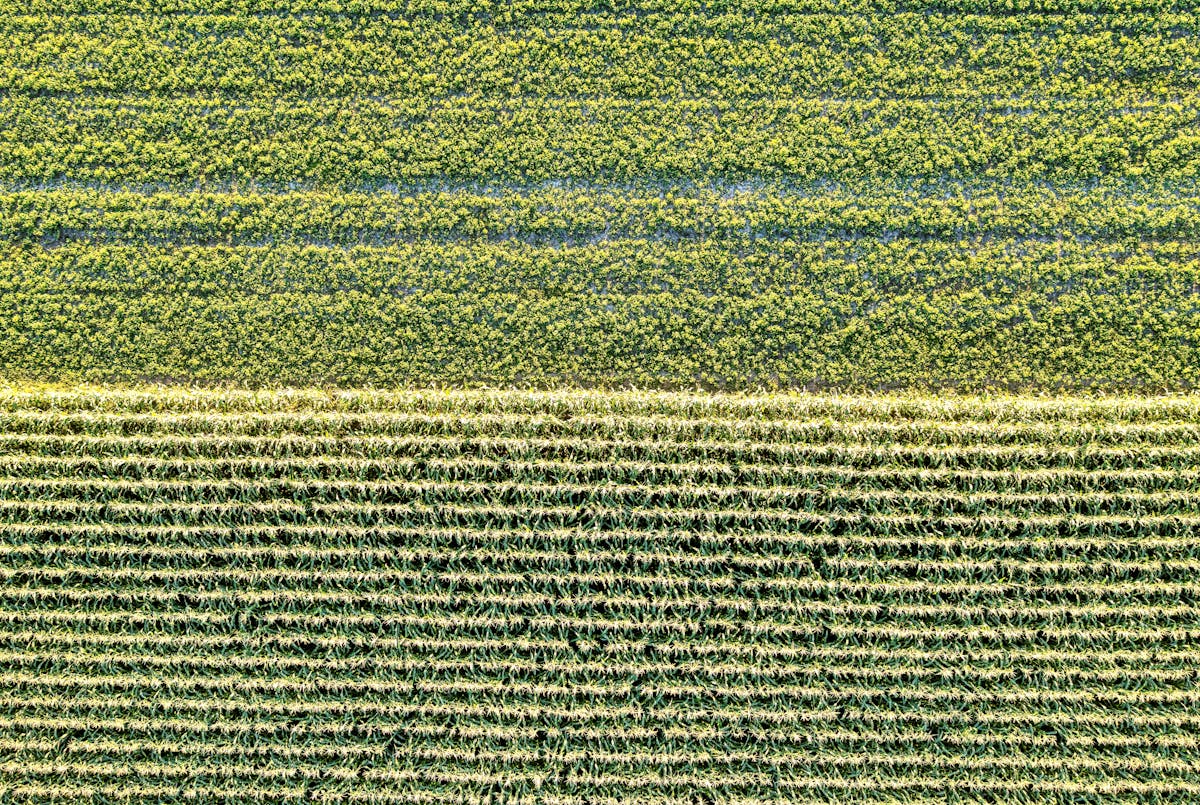
One of the most impactful applications of drone technology lies in agriculture. European farmers face increasing pressure to produce more food with fewer resources while minimizing environmental impact. Drones equipped with multispectral sensors enable precision agriculture practices that optimize fertilizer use, detect crop diseases early, and monitor irrigation efficiency. This data-driven approach reduces chemical inputs, conserves water, and improves yields — directly contributing to the EU Farm to Fork strategy goals.
Renewable Energy Infrastructure
As Europe rapidly expands its solar and wind energy capacity, maintaining this infrastructure becomes a significant challenge. Thermal-equipped drones can inspect thousands of solar panels in a fraction of the time required by manual inspection, identifying hotspots and defects that reduce energy output. Similarly, drone-based wind turbine inspection reduces the need for dangerous rope access work while providing high-resolution imagery for structural analysis.
Environmental Monitoring and Conservation
Drones are revolutionizing environmental monitoring across Europe. From tracking deforestation and illegal logging in Scandinavian forests to monitoring coastal erosion in the Mediterranean, UAVs provide cost-effective, high-resolution data that informs policy decisions and conservation strategies. Their ability to access remote and hazardous areas makes them invaluable tools for environmental agencies and research institutions.
The Skills Gap Challenge
While the technology is advancing rapidly, Europe faces a critical skills gap. The drone sector requires professionals who combine technical flying skills with data analysis capabilities, regulatory knowledge, and domain-specific expertise. Educational institutions and VET providers must adapt their curricula to prepare the workforce for these emerging roles. Organizations like EVEC are working to bridge this gap through youth-focused drone education programmes that combine theoretical learning with practical application.
Looking Ahead
The integration of drones into Europe’s green transition is still in its early stages. As regulations mature, technology becomes more accessible, and educational programmes scale up, we can expect drones to play an increasingly central role in achieving carbon neutrality targets. For young Europeans entering the workforce, drone competencies represent a pathway to meaningful employment in the green economy. The question is no longer whether drones will transform European sustainability efforts, but how quickly we can train the workforce to harness their full potential.
Accelerating the Drones Green Transition
The drones green transition movement gains momentum as EU member states invest in sustainable technology adoption. EVEC plays a pivotal role by training the next generation of drone operators specifically for environmental applications including crop health monitoring and wind turbine inspection.
EVEC educational programs ensure that VET students understand both technical and environmental dimensions. Graduates become advocates for the drones green transition in their professional careers. Read about our EU drone regulations guide or our project portfolio.
How Drones Green Transition Efforts Are Reshaping European Policy
The role of drones green transition initiatives in reshaping European environmental policy cannot be overstated. As the EU pursues its ambitious climate neutrality goals under the European Green Deal, drone technology has emerged as an indispensable tool for monitoring, measuring, and managing environmental resources at unprecedented scales. UAV-equipped sensors can detect pollution sources, track biodiversity changes, monitor deforestation patterns, and assess the health of marine ecosystems with a level of precision and efficiency that traditional methods simply cannot match.
European policymakers and research institutions increasingly recognize that drones green transition applications offer cost-effective solutions for achieving sustainability targets. For instance, precision agriculture enabled by drone technology can reduce pesticide usage by up to 90 percent and fertilizer application by 30 percent, significantly lowering the environmental footprint of food production. Similarly, drone-based reforestation projects can plant trees at rates ten times faster than manual methods, accelerating habitat restoration efforts across degraded landscapes. These tangible benefits demonstrate why integrating drone technology into environmental management strategies is essential for Europes sustainable future.
Learn more about the European Green Deal and its sustainability goals on the European Commission website.