For schools · Erasmus+ School Education · KA210-SCH · KA220-SCH partnerships
Your partner's members stand in a classroom every school day.
We're a fully eligible partner for Erasmus+ school partnerships (KA210-SCH and KA220-SCH) in Kocani, North Macedonia. Our members include serving teachers at the "Rade Kratovce" primary school — a Green Flag eco-school — and our year follows the school's eco calendar — with non-formal music and literacy workshops, charity drives and the inclusive Paralympic sport Boccia alongside it. Bring us the idea or the half-written application: we bring real teachers, a real school culture, and hands-on methodologies our network is introducing to North Macedonia.
Why teachers partner with us
You write the project — our teachers make it real in a school.
A KA210 or KA220 partnership is only as strong as the partner who turns the work packages into something pupils actually do. Our advantage is simple and unusual: our members are schoolteachers. They teach at the "Rade Kratovce" primary school in Kocani — a Green Flag eco-school — so your project doesn't have to negotiate its way into a classroom. It starts in one.
Your idea's still a spark.
You have a theme — eco-education, inclusion, arts, languages — but no consortium yet. Start small: a KA210-SCH small-scale partnership needs just two organisations from two different Programme Countries, a single lump sum set by the current Erasmus+ rules, and 6–24 months. We help you shape the aims, the activities and the dissemination, then sign on as your partner. It's the ideal first project.
Your project's written — you just need a partner who'll actually deliver.
You have the consortium and the application is nearly done; you need a partner with real school access and the capacity to host. For a KA220-SCH cooperation partnership — minimum three organisations from three different Programme Countries, lump-sum funding at the levels set by the current Erasmus+ rules, 12–36 months — we contribute genuine school-based activities through our teacher members, and we host the learning/teaching/training activities and transnational meetings here in Kocani.
Bring the idea and the application. We bring the teachers, the school culture and the welcome in Kocani.
01What we bring to your school project
Six things a school gets when EVEC Kocani is the partner on your KA210-SCH or KA220-SCH project — most written straight into your work packages, all backed by a partner who shows up.
Our members include serving teachers at the "Rade Kratovce" primary school in Kocani. Activities are designed and delivered by people who stand in front of a class — not by an office that borrows one.
"Rade Kratovce" holds the international Green Flag eco-school status, and the school follows a year-round eco calendar — World Water Day, Earth Day, car-free day and more. Environmental education here is routine, not a one-off event.
A year-round eco calendar at a Green Flag eco-school, non-formal music and literacy workshops, charity drives and the Paralympic sport Boccia. These aren't promises for the application — they're the activities we already deliver, ready to be adapted into your work packages.
On a KA220 project we host the learning/teaching/training activities and transnational meetings; on a KA210 we host the project meetings. Hosting international guests is routine for us — we hold an ESC Quality Label for hosting volunteers, valid to 2027.
Our members include special-education teachers, psychologists, pedagogues, social workers and nurses. We were the first organisation in North Macedonia to introduce the Paralympic sport Boccia, we work with Roma youth, and our members work in the day-care centres for people with disabilities in Delcevo, open since 2004, and Stip, open since 2006.
17 EU projects across our network since 2015, each with a reference code you can look up on the Erasmus+ Project Results Platform — including one we coordinated ourselves. No vague claims; check the codes.
02The two actions we partner on
The ideal first project
Just two organisations from two different Programme Countries, a single lump sum set by the current Erasmus+ rules, and 6–24 months. Simpler to apply for and manage — built to widen access for newcomers and smaller schools. Activities: project management, transnational meetings in Kocani, simple shared results, and dissemination. We partner with you and help shape it from the first draft.
For bigger, transferable results
Minimum three organisations from three different Programme Countries, lump-sum funding at the levels set by the current Erasmus+ rules, and 12–36 months. For substantial, transferable results — toolkits, methodologies, platforms. May include learning/teaching/training activities (short-term joint staff training, teaching assignments, short- and long-term pupil mobility, blended mobility) and transnational project meetings, which we host in Kocani.
03Themes we strengthen in Erasmus+ school partnerships
Pick a theme and we'll build the activities around it. The school-based strands build on our members' everyday teaching in a Green Flag eco-school; the four network methodologies — microgreens, mycelium, drones, solar — are strands we are bringing to North Macedonia through Erasmus+ school partnerships like yours.
You bring the idea — we bring real teachers, a Green Flag school culture and workshops pupils remember.
Help writing your project
New to Erasmus+, or prefer to lead it yourself? We help schools and first-time applicants turn ideas into applications — structuring priorities, work packages and outputs, and reviewing your drafts — while you stay the author and owner. Describe your idea and we reply within 3 working days with honest feedback and the next step.
Built for the quality criteria
Where partnering with us adds points.
Erasmus+ evaluators score your application against four quality criteria. Here is exactly where partnering with EVEC Kocani adds points in Erasmus+ school partnerships, whether KA210 or KA220 — with concrete school activities, not vague promises.
Green-transition and inclusion priorities, grounded in reality: a partner whose members teach at a Green Flag eco-school with a year-round environmental calendar, and whose members include special-education professionals. Your needs analysis is written with serving teachers, not imagined from an office.
We turn aims into deliverable work packages built on activities we already run — eco calendar actions, non-formal music and literacy workshops, charity drives — plus transnational meetings (and, for KA220, LTTAs) hosted in Kocani. Evaluators can see the project will actually happen.
A complementary, transnational consortium with clearly allocated tasks. North Macedonia is fully associated to Erasmus+, so we count toward the two- or three-country minimum like any EU partner — and as your Kocani partner we own concrete activities and hosting, not a passive name on the form.
Results that outlive the project: activities embedded in a real school's routine, plus dissemination through our network — four branch offices across eastern North Macedonia and a sister organisation in Athens — so what you build reaches schools beyond the partnership.
KA210-SCH and KA220-SCH are scored on the same four quality criteria with different weightings — we help strengthen your application on each.
Have a school project idea? Let's turn it into a funded European partnership.
Invite us as a partner →Low-commitment first steps
Not ready for a multi-year project? Start smaller.
Your first project — small and simple.
A KA210 small-scale partnership is the gentlest way into Erasmus+ school partnerships: two organisations, two countries, a single lump sum set by the current Erasmus+ rules, 6–24 months. We help you write it and partner on it — a real funded project without the weight of a full cooperation partnership.
Plan a KA210 projectNot sure where to start?
Write to us before you commit anything — tell us your theme, hear honestly what we can and cannot deliver, and decide together whether KA210 or KA220 fits your school. No obligation, and we reply within 3 working days.
Start the conversationThe methodologies our network is bringing to North Macedonia
Four hands-on strands — and an honest label on each.
Four methodologies — microgreens, mycelium, solar and drones — were authored by our president, Blagoj Ristov, and piloted at our sister organisation in Athens. In North Macedonia they are plans we are introducing through partnerships, not deliveries we have already made. What's proven here today is our everyday school practice; what the network adds is these four strands.
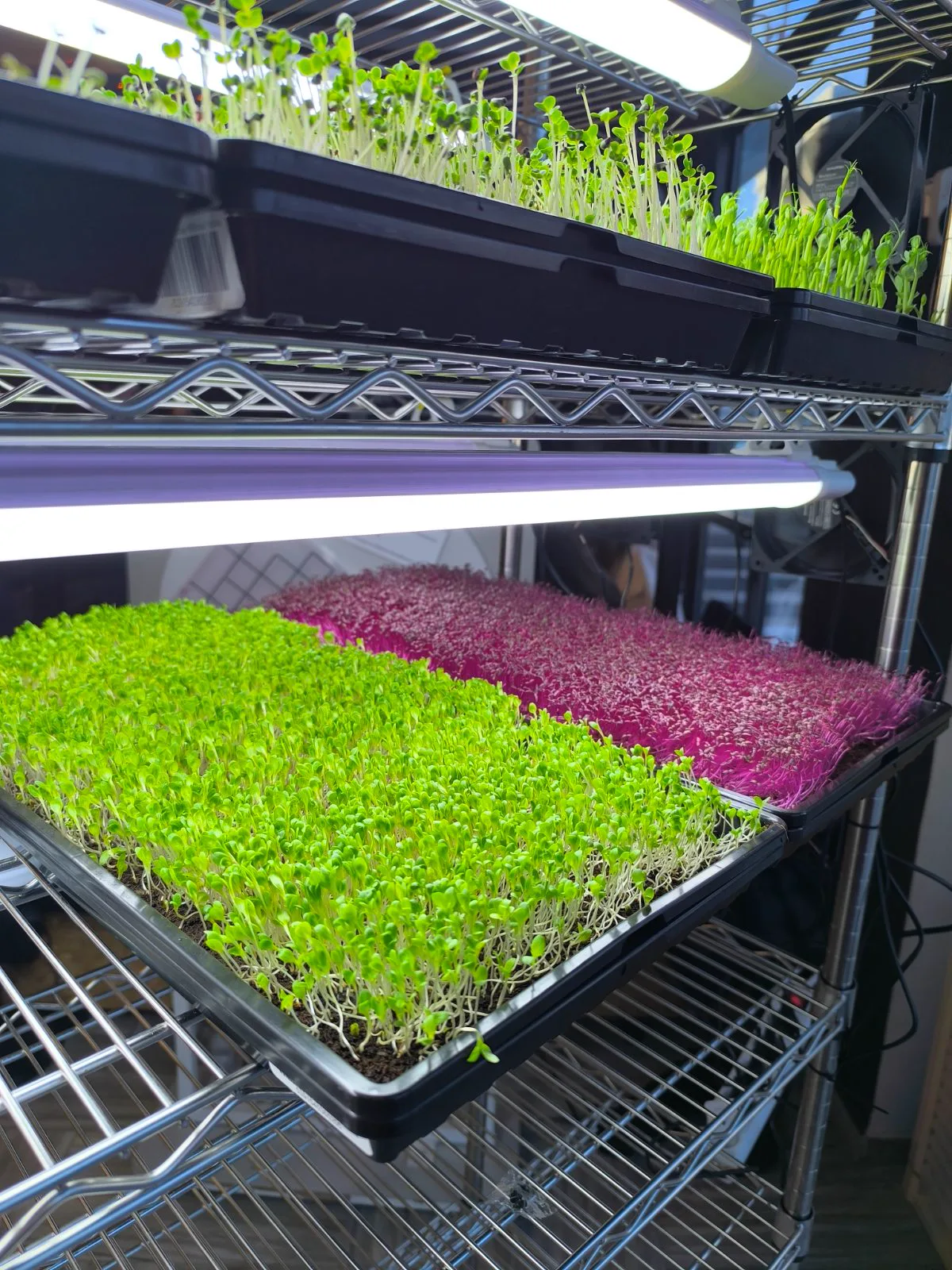
Microgreens
Growing microgreens as an educational tool — a tray of seeds becomes a hands-on, cross-curricular lesson in science, sustainability, healthy living and enterprise. Our sister organisation ran the seed-to-plate cycle in a real Athens classroom; we are starting it in Kocani through projects like yours.
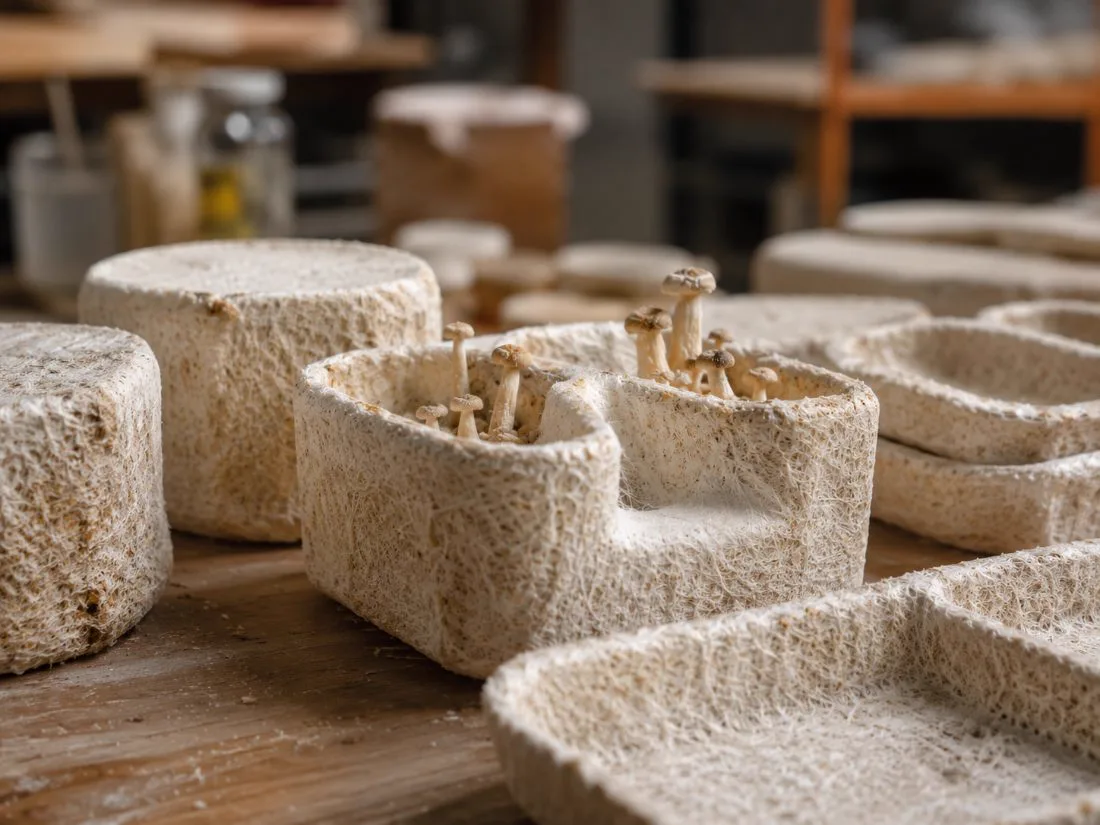
Mycelium
Growing materials from fungi — a tangible, hands-on route into biomaterials, the circular economy and green innovation. A strand we're bringing in with the network's methodology, not a delivery we've made here yet.
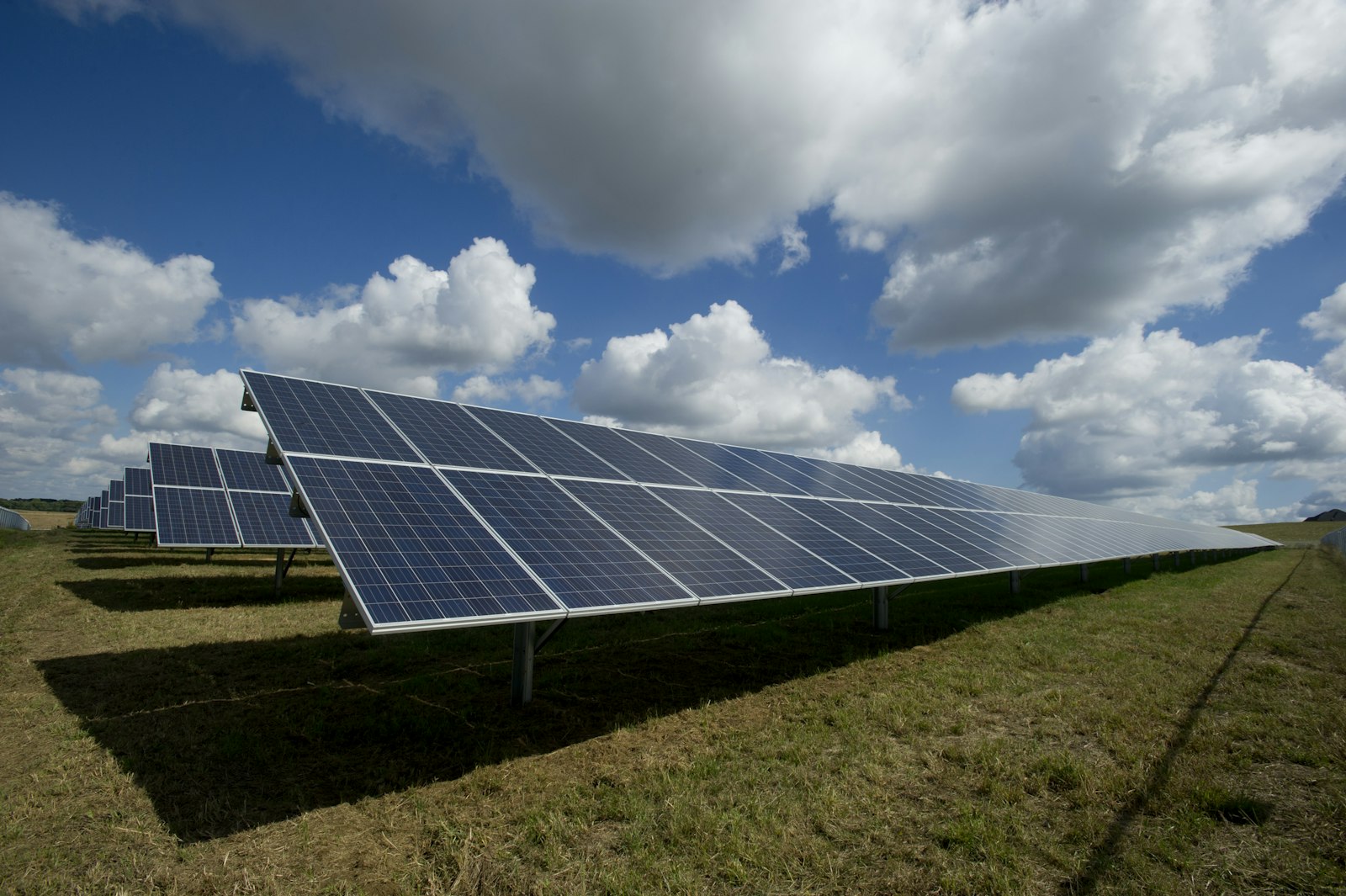
Solar
Hands-on renewable energy — buildable projects that bring the green and digital priorities together and make clean energy tangible for pupils. We frame it honestly in applications: methodology from the network, first delivery through the partnership.

Drones
Drone-based STEAM — coding, geometry, data literacy and teamwork, with green monitoring and mapping applications. Another strand we're introducing to North Macedonia through cooperation projects.
Pick the strands that fit your priorities — we co-design the workshops with our teacher members and the network's methodology, and we're precise in the application about what is proven where. Evaluators reward that honesty; so do pupils.
The mobility — done honestly
Partner with us, and your teachers and pupils come to Kocani.
This isn't a standalone CPD trip — there's no such thing here. The travel is part of your partnership's own activities. Build it into the project and the mobility is funded, purposeful, and ours to host. Hosting international guests is routine for us: we hold a European Solidarity Corps Quality Label for hosting, valid to 2027.
LTTAs + project meetings in Kocani
A KA220 cooperation partnership may include learning/teaching/training activities — short-term joint staff training events, teaching and training assignments, short- and long-term pupil mobility, blended mobility — plus transnational project meetings. We host them. Your teachers train and your pupils learn here, inside the project, alongside our teacher members and their pupils.
Transnational meetings in Kocani
A KA210 small-scale partnership keeps it lighter: transnational project meetings are part of the action, and we host them in Kocani. Your team comes to plan, deliver and review the project on the ground — and sees a Green Flag eco-school's everyday practice first-hand.
We're hosts, not a tour company. The activity is the point; eastern North Macedonia is the bonus.
Track record you can verify
Evidence we deliver.
Teachers of "Rade Kratovce" — a Green Flag eco-school in Kocani
Our members include serving teachers at the "Rade Kratovce" primary school in Kocani, which holds the international Green Flag eco-school status. Environmental education there is not a project add-on: the whole school follows a year-round eco calendar — World Water Day, Earth Day, European car-free day and more.
Around the school year we run non-formal music and literacy workshops and the eco calendar's action days — and our charity drives are a fixture too: paper and clothes collections, charity sports matches and cooperation with the Red Cross.
We say this plainly: this is everyday school practice, not an Erasmus+ school-sector track record. And that's exactly what makes us useful inside a KA210-SCH or KA220-SCH project — the partner whose activities are already part of school life, ready to be adapted into your work packages.
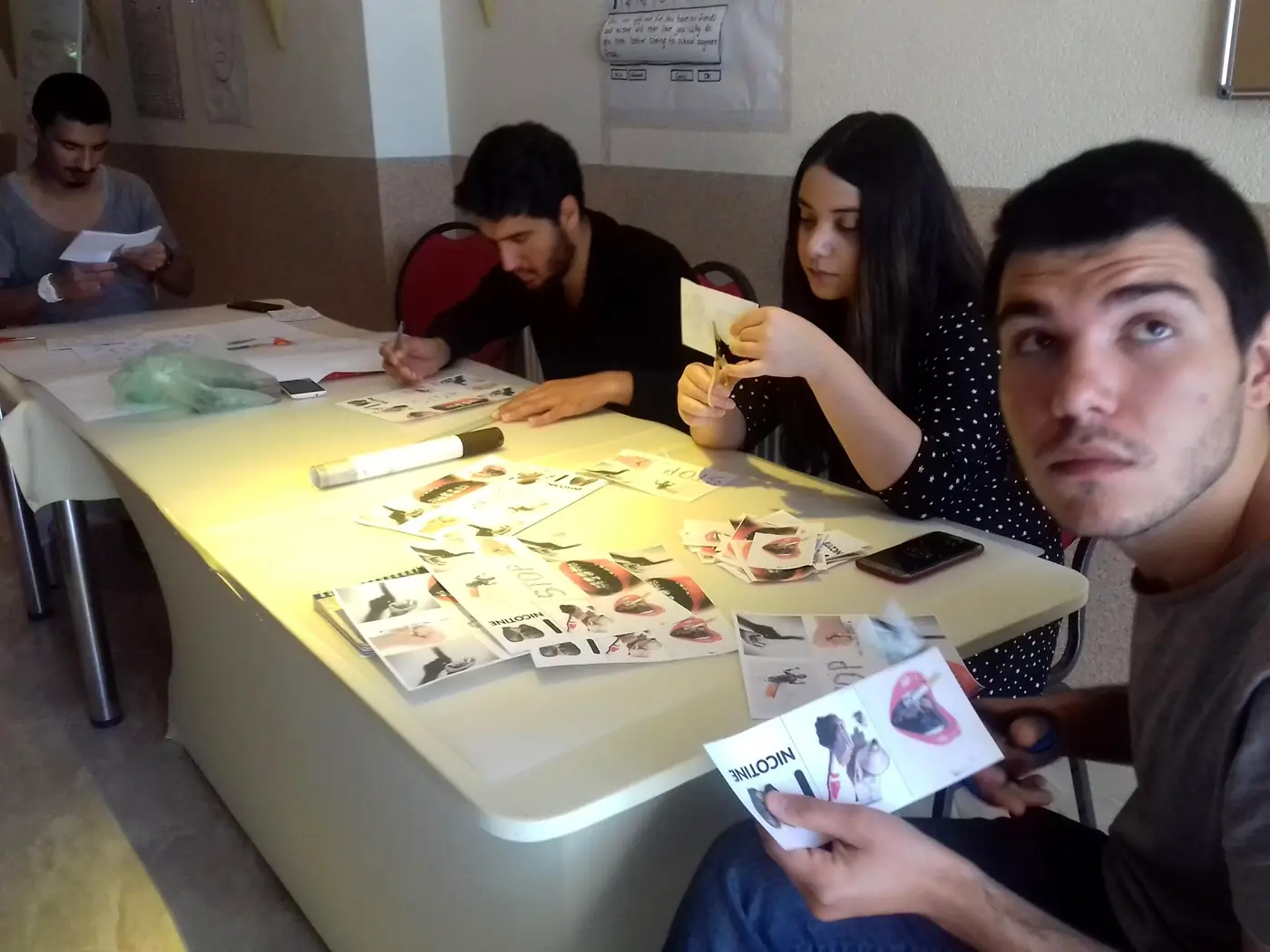
Across the whole Erasmus+ Programme
North Macedonia is fully associated to Erasmus+, so we count toward the KA210/KA220 country minimums like any EU partner. We can build Erasmus+ school partnerships with schools from all 27 EU Member States and the six associated countries. The countries where our network's verified projects have already had partner organisations are highlighted — every project code is on the Erasmus+ Results Platform.
✓ marks North Macedonia (home) and the countries where our network's verified projects have had partner organisations
Trust & credibility
Real, experienced, a safe partner
 Co-funded by the European Union
Kocani, North Macedonia
Co-funded by the European Union
Kocani, North MacedoniaValid to 31/12/2027 — verifiable on the European Youth Portal.
Our EU organisation IDs, in the Participant Register.
Kocani 5 · Stip 8 · Delcevo 5; one joint project counted once — every code on the Erasmus+ Results Platform.
"Entrepreneurial Development Through Internet and Social Media" — Erasmus+ VET mobility we coordinated, 2020–2022, sending Macedonian VET students abroad.
Our Stip branch is a partner (09/2025–10/2026) alongside organisations from RO, PL, GR, TR and BG.
A year-round eco calendar, non-formal music and literacy workshops and regular charity drives.
Our network and institutions
Our National Agency is the National Agency for European Educational Programmes and Mobility (MK01), Skopje. Across our network, four branch offices work in eastern North Macedonia — and our sister organisation EVEC Athens works in Greece.
 National Agency (MK01)Skopje, North Macedonia
 Erasmus+EU programme
European Solidarity CorpsEU programme
Erasmus+EU programme
European Solidarity CorpsEU programmeVerify us independently: Erasmus+ Project Results Platform → EU Participant Register · OID E10119353 → European Youth Portal · our ESC Quality Label →
Legal entity: ЕВРОПСКИ ВОЛОНТЕРСКИ И ЕДУКАТИВЕН ЦЕНТАР Кочани (European Voluntary and Educational Center Kocani) · Citizens' association founded 15.02.2014, registered with the Central Registry of RNM on 11.03.2014 · EMBS 6938566 · EDB 4013014510973 · Seat: Ul. Boris Trajkovski 42, 2300 Kocani, North Macedonia · President & legal representative: Blagoj Ristov · OID E10119353 · PIC 943554018.
Co-funded by the European Union. Views and opinions expressed are however those of the author(s) only and do not necessarily reflect those of the European Union or the European Education and Culture Executive Agency (EACEA). Neither the European Union nor EACEA can be held responsible for them.
The EVEC network
One name, five offices, two countries.
EVEC Kocani is a founding member of the EVEC network — and the methodologies on this page have already been tested inside it.
Our network runs four branch offices in eastern North Macedonia — Stip, Strumica, Delcevo and Lozovo — and shares its name, mission and methods with our sister organisation EVEC Athens in Greece (founded 2017, legally separate). EVEC Stip has participated in EVEC Athens' Erasmus+ Youth projects, so the cooperation is practised, not theoretical.
The four educational methodologies — microgreens, mycelium, drones and solar — were authored by our president, Blagoj Ristov, and piloted in Athens. Partnering with EVEC Kocani means bringing those tested methods into North Macedonian classrooms — with the network behind you and the delivery honestly framed as a first for this country.
Honesty first
Who this page is NOT for.
We'd rather lose an enquiry than waste your deadline. If any of these describe you, we're not the right partner — and we'll tell you so within 3 working days.
You want a standalone teacher trip or CPD course.
We don't sell courses or host job-shadowing visits on their own. Our value is as a delivery and hosting partner inside your KA210-SCH or KA220-SCH project — the mobility comes built into the partnership.
You need a partner with a completed school-sector KA2 record.
We don't have one and won't pretend otherwise. Our network's delivered portfolio is in Youth, VET and ESC — 17 verifiable projects — and our school strength is that our members teach in one, every day.
You expect the microgreens, solar or drone workshops to be running in Kocani already.
They aren't. They were piloted in Athens by our network; here they are plans we bring in through projects like yours. We put that sentence, plainly, in every application we join.
You want a silent partner name on the form.
We only join projects where we own real activities — workshops, hosting, dissemination. A passive partner weakens your application and our name; we'll decline politely.
For teachers & project writers
Your questions, answered straight.
The honest, practical questions a busy teacher asks before naming a partner or starting an application — answered plainly, with no jargon and no overpromising.
Which Key Actions can EVEC Kocani partner on?
Two Erasmus+ school partnerships: KA210-SCH (small-scale) and KA220-SCH (cooperation). Both are open to any organisation active in education with no accreditation required, so we're a fully eligible partner in either. We don't offer standalone staff mobility or CPD courses — our value is as a delivery and hosting partner inside your cooperation project.
What's the difference between KA210-SCH and KA220-SCH?
KA210 is the smaller, simpler action: two organisations from two different Programme Countries, a single lump sum, 6–24 months — the ideal first project. KA220 is bigger: minimum three organisations from three different Programme Countries, larger lump-sum levels, 12–36 months, for transferable results like toolkits and methodologies, and it may include learning/teaching/training activities and transnational project meetings. The exact lump-sum amounts are set by the current Erasmus+ rules.
Does EVEC Kocani have an Erasmus+ accreditation?
No — and we won't pretend otherwise. We hold a European Solidarity Corps Quality Label (Hosting + Supporting, valid to 31/12/2027); we hold no Erasmus+ accreditation. But KA210-SCH and KA220-SCH need no accreditation from any partner, so we're fully eligible to join your project. Our network's delivered portfolio is in Youth, VET and ESC; our school strength is that our members are serving teachers at a Green Flag eco-school.
Can our teachers and pupils really come to North Macedonia?
Yes — through the project's own activities, not a separate trip. A KA220 partnership can include LTTAs (short-term joint staff training, teaching assignments, short-term and long-term pupil mobility, blended mobility) and transnational meetings; a KA210 includes transnational project meetings. We host these in Kocani, funded within the partnership. What we can't host is a job-shadowing visit on its own — the nearest equivalent we can host is a short-term joint staff training event or a teaching assignment inside your KA220.
We've never written an Erasmus+ project. Can you help?
That's exactly why KA210-SCH exists, and why we like starting there. Bring us a theme and we'll help shape the aims, the activities and the dissemination, then partner with you on the application — while you stay the author and owner. Small scale, two countries, simpler management — the right way to learn the ropes. We reply within 3 working days.
Are the microgreens, solar and drone workshops already running in your schools?
No — and we say so plainly. The four methodologies (microgreens, mycelium, drones, solar) were authored by our president, Blagoj Ristov, and piloted at our sister organisation in Athens. In North Macedonia they are strands we are introducing through partnerships — plans, not deliveries. What already runs here, year in year out, is our everyday practice: the eco calendar, non-formal music and literacy workshops, charity drives and Boccia.
What activities would EVEC Kocani actually own in the project?
Concrete, deliverable ones: school-based activities through our teacher members, non-formal music and literacy workshops, eco-calendar activities in a Green Flag eco-school, an inclusion strand drawing on our special-education members and Boccia experience, introducing a network methodology such as microgreens as a named project activity, hosting the meetings (and, for KA220, the LTTAs) in Kocani, and dissemination through our network's five offices.
How do you work with pupils under 18?
With parental consent, per our safeguarding policy. The members who run these activities include special-education teachers, psychologists and pedagogues, and activities with minors take place in school settings with their own teachers involved.
How partnering works
From your idea to a submitted application — in three steps.
Tell us about your project
Send your idea, Key Action and timeline to contact@evec.org.mk. We reply within 3 working days with honest feedback and whether we're the right fit.
We align and prepare
We confirm our role and work packages, share our OID (E10119353), PIC (943554018) and partner details, and provide a mandate letter — comfortably before your deadline.
We deliver
Once funded, we co-write our sections, run the activities with our teacher members, host in Kocani, and disseminate and report our part on time.
Let's build it together
Picture your pupils in a classroom run by teachers who chose to be there. Let's make it real.
Whether you're sketching a KA210-SCH first project or finishing a KA220-SCH application that needs a real delivery partner, we're ready to join. Tell us your theme and your timeline — we'll bring the teachers, the school, and the welcome in Kocani.
We reply within 3 working days · No obligationPartner enquiry
Email us your idea, the Key Action you have in mind, and your timeline. We reply within 3 working days — honestly, including if we're not the right fit.
Email contact@evec.org.mkOr call +389 78 275 770
Keep exploring
Related
Erasmus+
All Erasmus+ strands
See every Key Action and sector we partner on across Erasmus+.
View page →